
Agents with
these Skills are
70% faster and spend
68% less engineering time
keeping the lights on

3 New Agents
30 New Skills
30 Days
$30k
Our forward-deployed engineers work with your team to build 3 Agents with 30 Skills in 30 Days to start taking your INC/CRQ tickets.
Already got Agents? Our Skills follow multi-vendor standards supported by Anthropic, Google, Microsft and most open-source agent building frameworks...
No long term commercial or technical commitments.
Start With A Ticket Analysis?
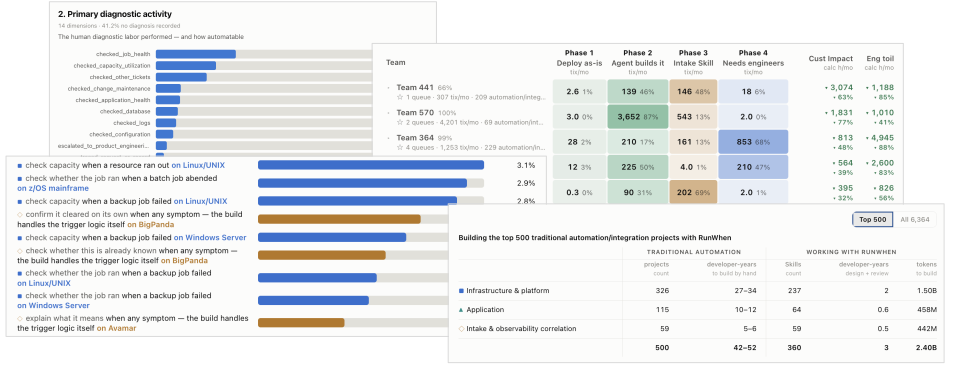
Our AI analysts mine the work logs in your ticket data - the actual human work - to find patterns that can be automated. The result is an inventory of the automations/integrations you need along with their business impact by team and by Agent.
Compare traditional automation development with our self-improving loop - 20x faster time to impact.
Getting more headcount? Nope. Building more dashboards? Groan.
Write more runbooks? Yuck. Build agents instead.
The Agent Skill building loop
A self-improvement loop where Agents write code for other Agents
.svg)
See what can be
done in 30 days?
If you decide the RunWhen platform is not for you, your team can use the Skills as stand-alone CLI tools or use them with Claude, MS360, LangGraph...
No long term commercial or technical commitments.
Developer Self-Service
Unblock developers waiting for help triaging CI/CD issues, finding platform automation, getting information to re-create issues in production
.svg)
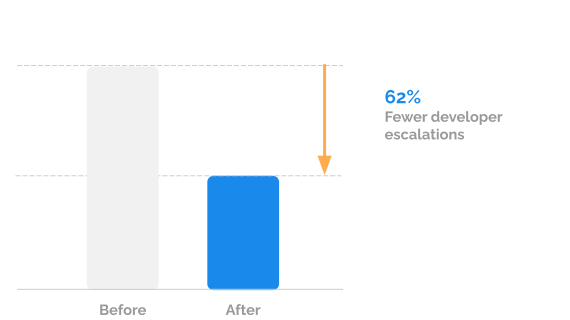
Faster MTTR from
fewer escalations
Agents do a first pass collecting data from monitoring, APIs, databases and other parts of your stack, enabling anyone on a ticket to do more without escalating.
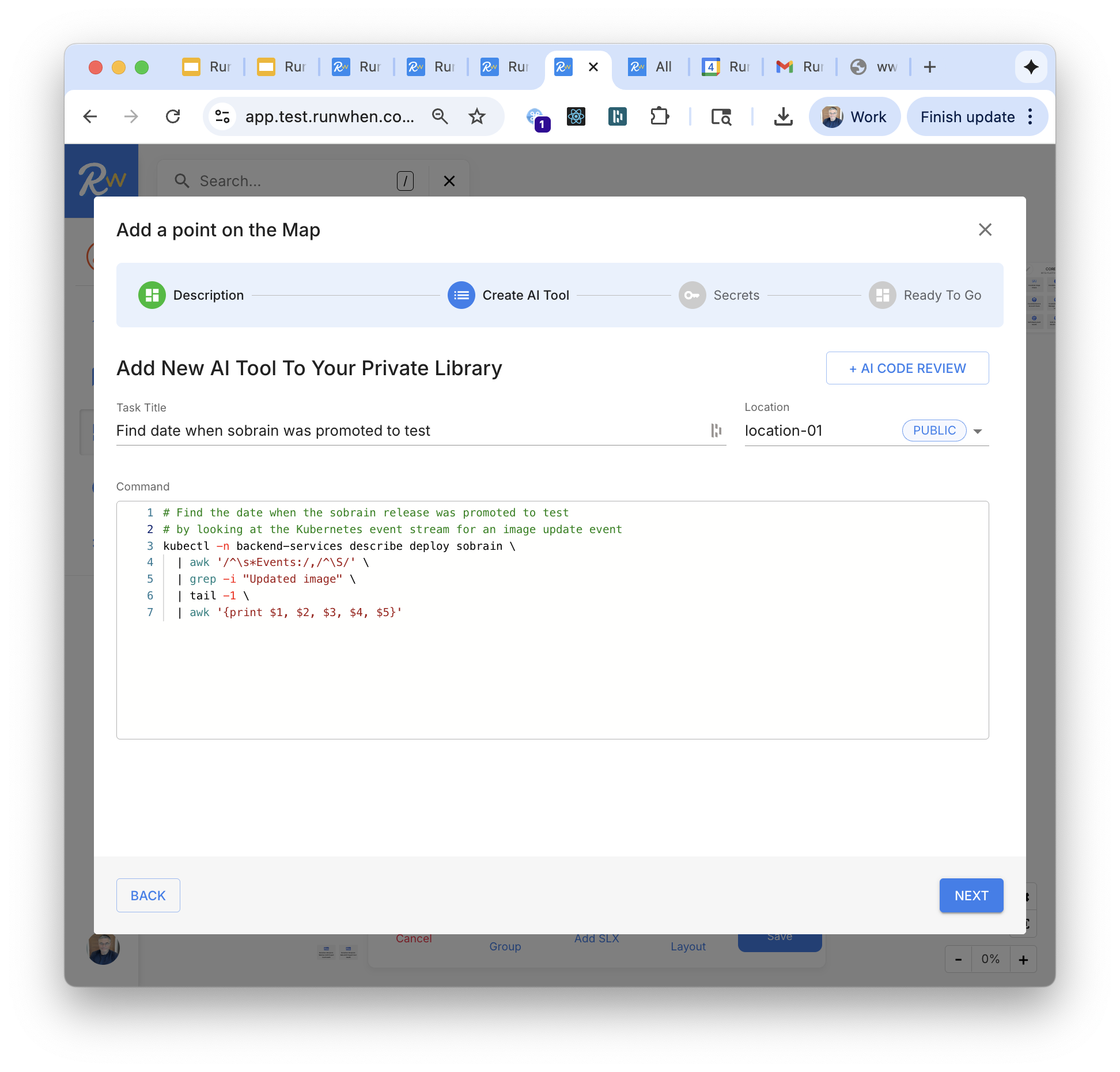
Build your own safe-for-production Skills
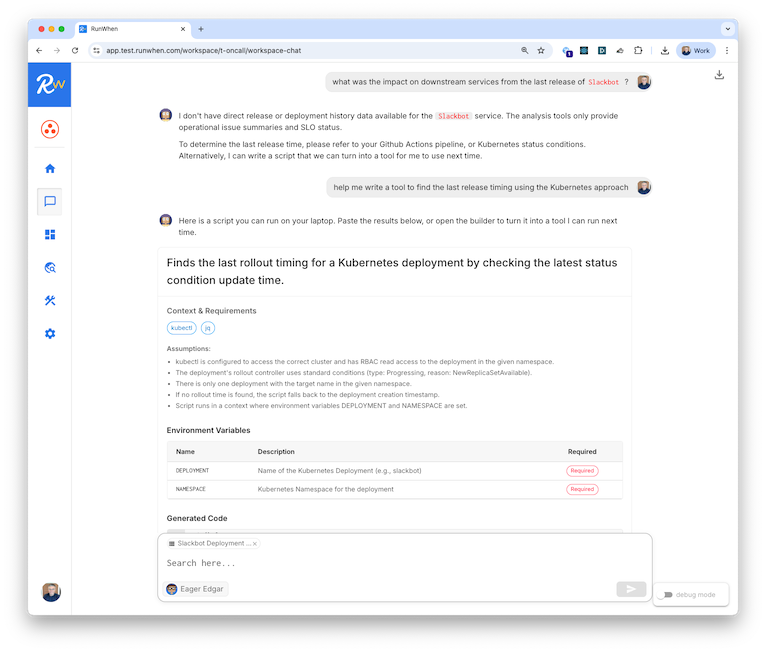
Our Skill Building harness ensures that new skills built by your team follow our safe-for-production design pattern. They can be used with all major Agent platforms, and are optimized for lower token usage and extra safety with RunWhen Agents.
RunWhen Agents can run Skills in response to events, in cron jobs or with a human in the loop. Armed with real-time context about dependencies and health in the environment, they give excellent recommendations on which Skills to run next.
Skills built with the RunWhen Skill Building Harness go through multiple levels of AI code review before an Agent can pick them up. It is an AI-forward CI/CD pipeline built specifically for code that will access production.
.png)

Getting started with RunWhen

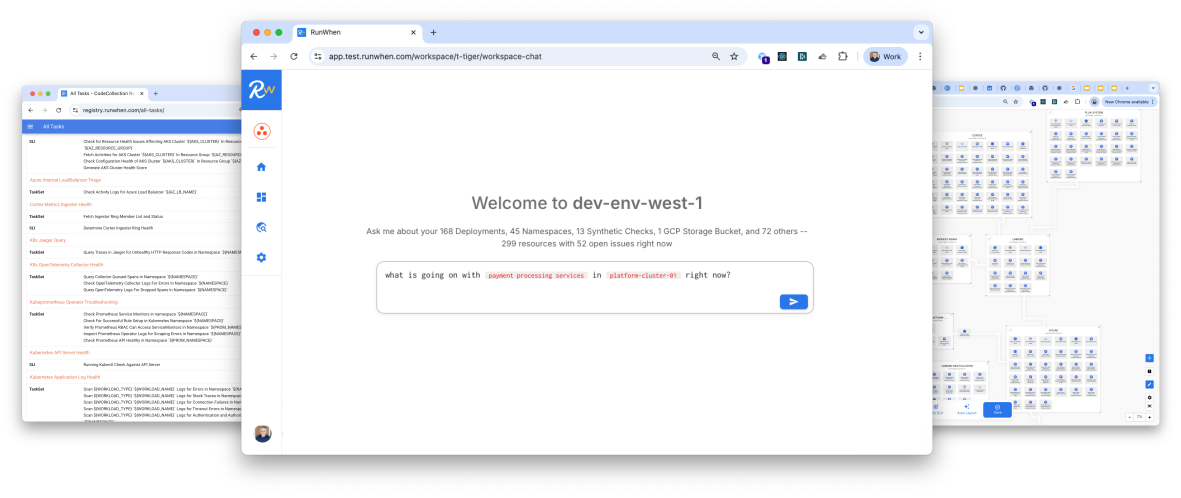
FOREGROUND AGENTS
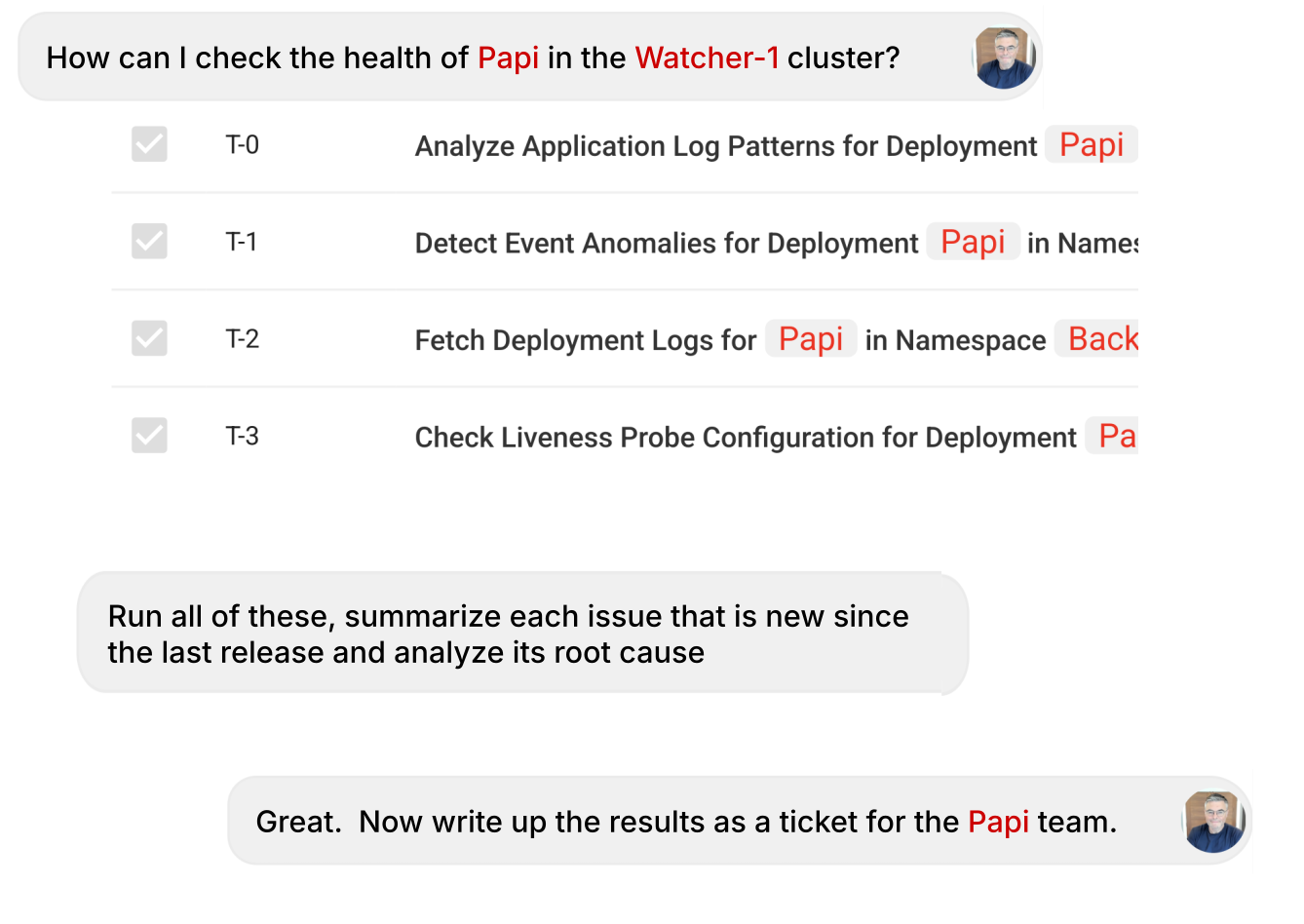
Ask questions for root cause analysis, configuration, cost, remediation and other topics.
The platform will suggest Skill-based automation to run or pull insights from the database of prior runs.
BACKGROUND AGENTS
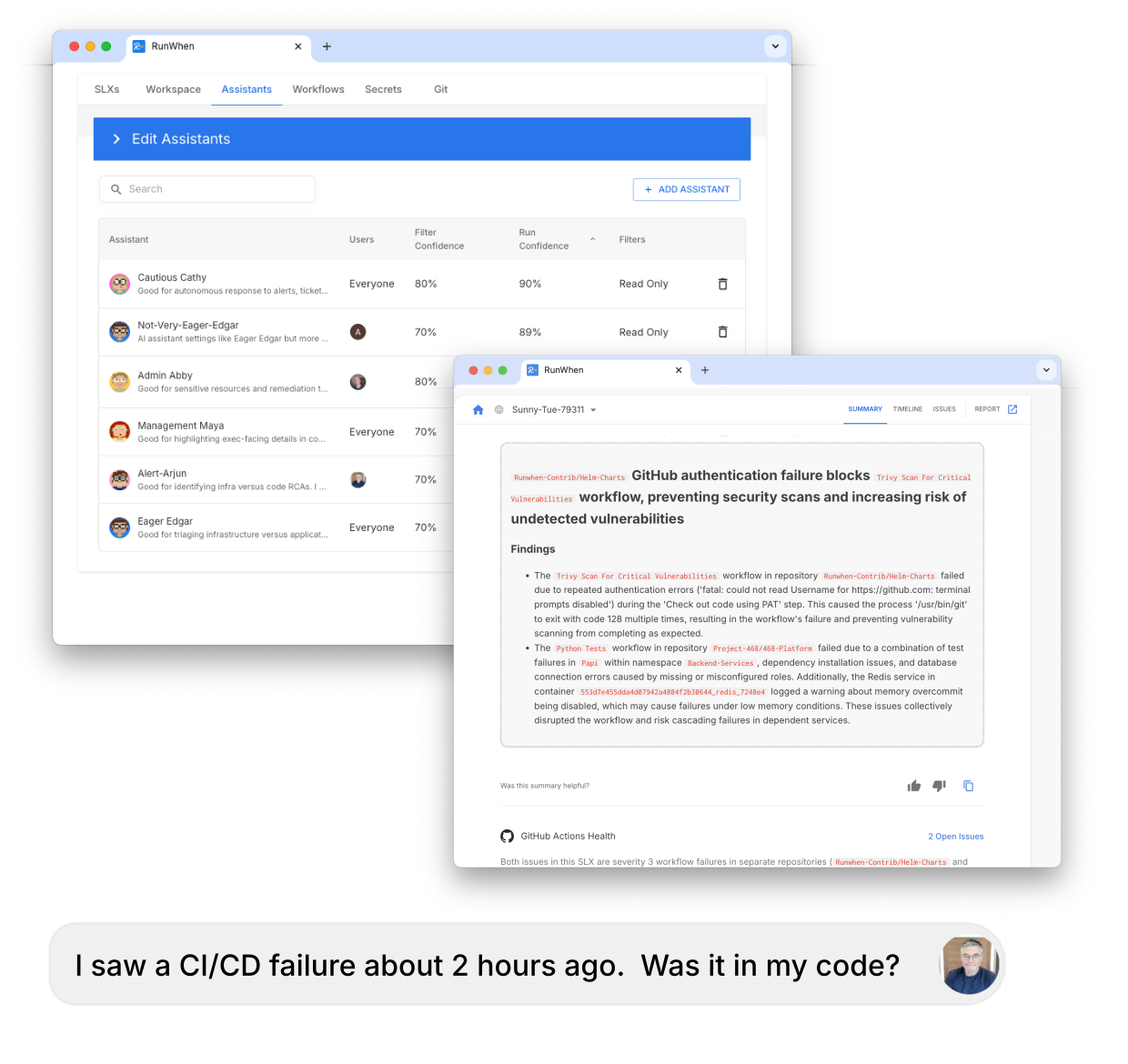
Agents are constantly running agentic automation in the background, identifying issues that need attention.
Ask about what happened yesterday, or connect issues to notifications, remediations, etc.

30 DAYS?
Our FDEs or our partners will work with your team to build 30 new safe-for-production Skills for your infra, apps, data and workflows.
This is enough to get most teams into daily production use.

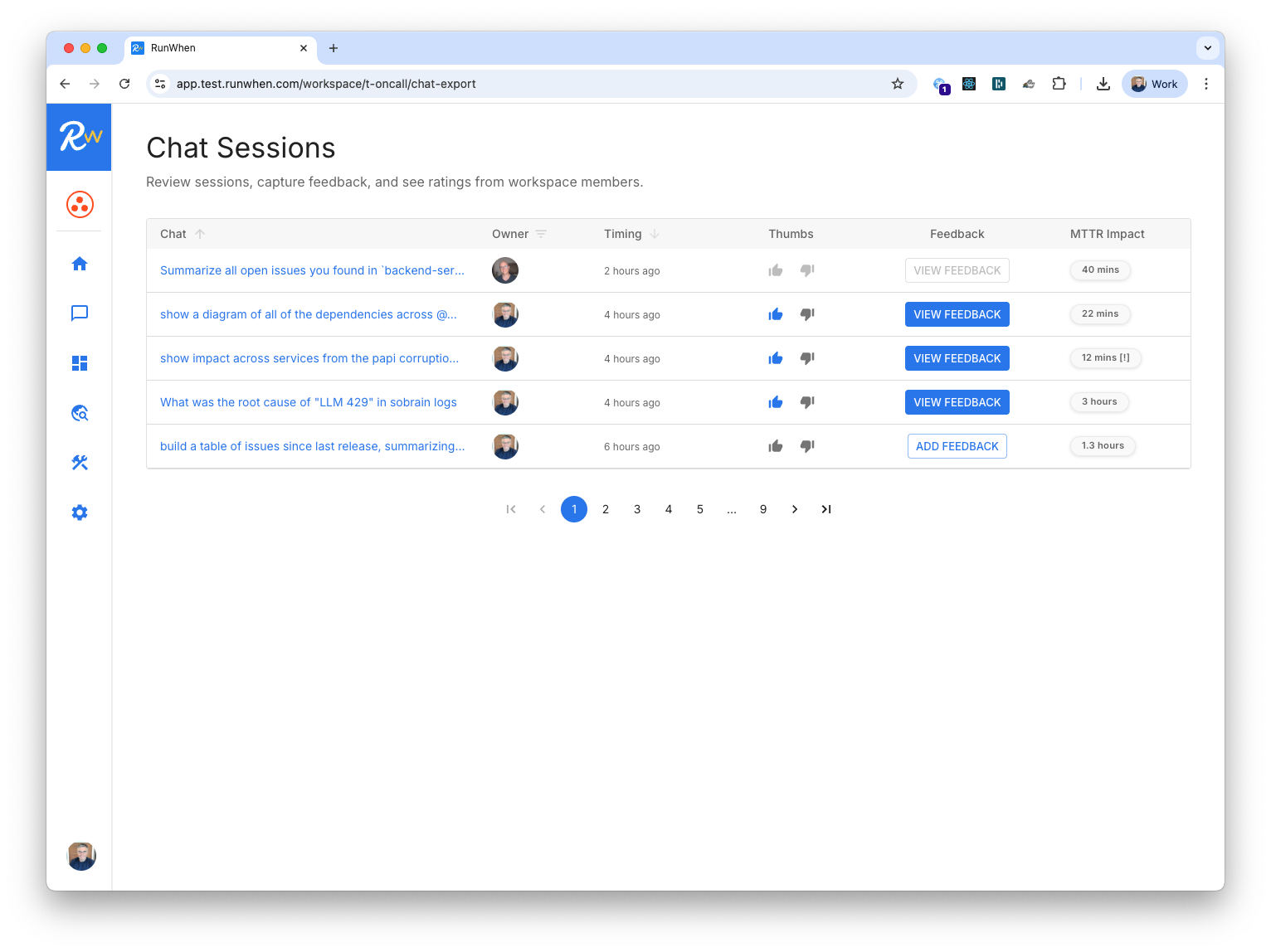
THUMBS UP?
Get AI-enhanced feedback from your users, showing where new tools should be prioritized for investigation, remediation, reporting or other uses.
Product management built in by design.
Can my team deploy RunWhen?
We work in the strictest financial services, health care and government environments in the industry

A (paid) community?
We are helping experienced engineers become AI SRE consultants and paid community contributors.


.svg)


